Sustainability Events
WORLD WATER DAY (MARCH 22, 2026)
World Water Day, observed annually on March 22, emphasizes the significance of freshwater and the urgent need for its sustainable management. This year’s theme, “Water and Gender,” sheds light on a critical yet often overlooked issue—that water-related challenges are not experienced equally by all.
In many parts of the world, including India, women and girls bear the primary responsibility of collecting water, often spending several hours each day traveling long distances. The United Nations estimates that women and girls collectively spend around 200 million hours daily on this task. This burden not only impacts their health and safety but also restricts their access to education and economic opportunities.
However, women are not just affected—they are also key drivers of change. Their active participation in water management and decision-making has been shown to improve outcomes related to conservation, access, and sustainability. Ensuring gender equality in the water sector is therefore essential to achieving the goals outlined in the 2030 Agenda for Sustainable Development.
At the Centre for Sustainability, we believe that raising awareness is the first step toward meaningful change. Through active engagement with students, we aim to nurture a generation that recognizes both the environmental and social dimensions of sustainability. To mark World Water Day, the Centre organized webinars to create awareness among students, staff, and faculty about the importance of water conservation and equitable access.
World Water Day Webinar - 1: Holding gender stakes in policy making, policy implementation, governance and beyond-A perspective, 23 March 2026
Speaker: Dr. Rani Susmitha, Revenue Divisional Officer, Kovvur, Andhra Pradesh
This session addressed the intersection of gender and water governance, aligned with the UN theme “Water and Gender.” Dr. Rani Susmitha highlighted how water challenges extend beyond resource management, shaping equity, access, and social realities. She emphasized the disproportionate impact of water scarcity on girls’ education in rural areas, where many spend hours fetching water. Key highlights included the importance of women‑centric legislation in water governance, strengthening Water User Associations (WUAs) for participatory management, and the need for gender‑sensitive policy implementation and governance frameworks. The session concluded with a strong call for inclusive, community‑driven, and sustainable water management practices.
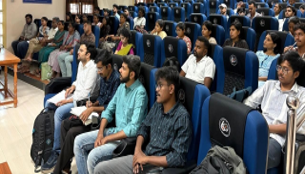
World Water Day Webinar - 2: Climate Change, Water Stress and Impact on Women, 24 March 2026
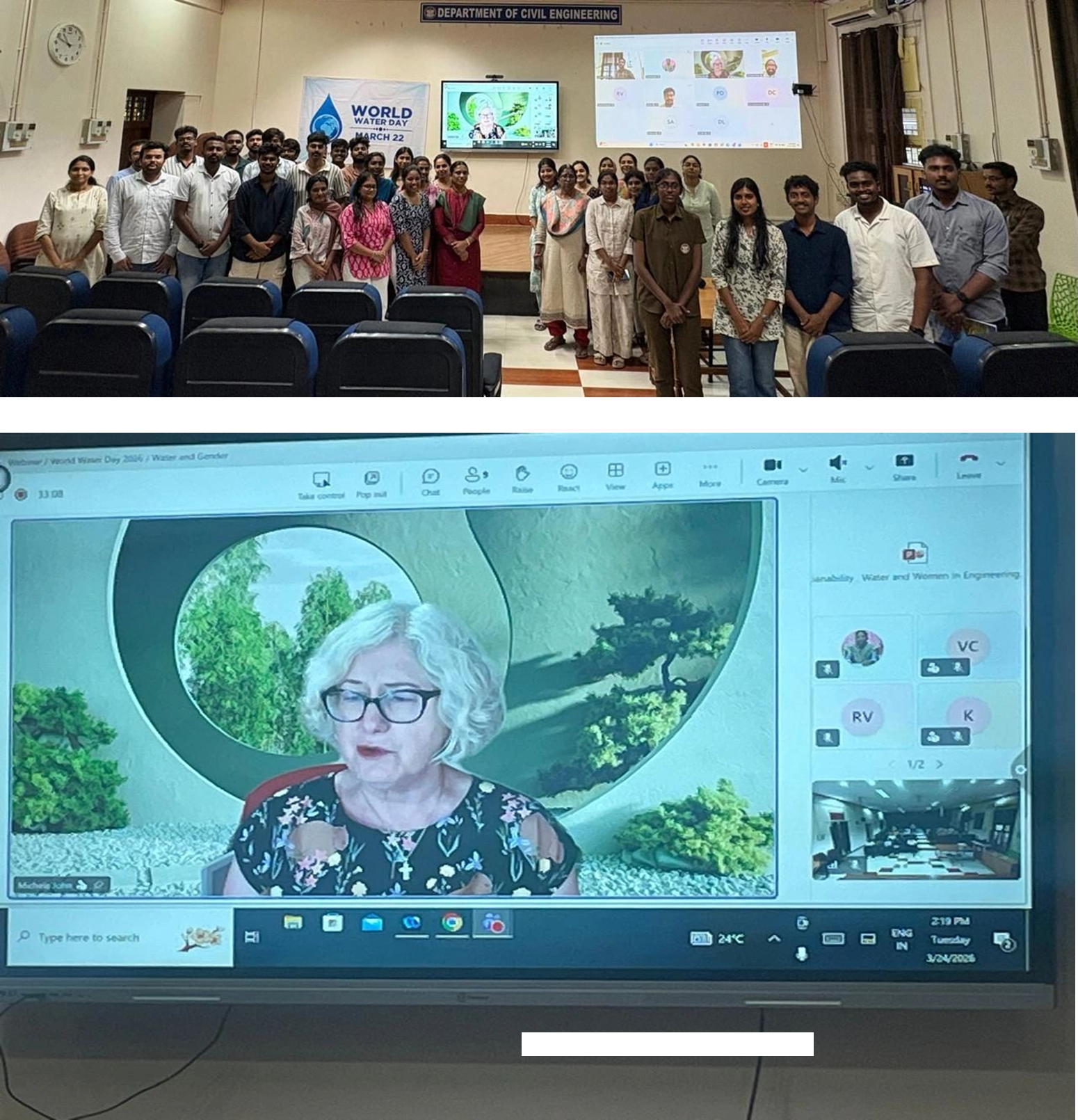
Speaker: Prof. Dr. Michele John, Director, Sustainable Engineering Group Curtin University, Australia
In the second session of the World Water Day 2026 webinar series, the Centre for Sustainability, NIT Tiruchirappalli, was privileged to host Prof. Dr. Michele John, Director of the Sustainable Engineering Group at Curtin University, Australia, and Editor of The Routledge Handbook of Global Sustainability Education and Thinking for the 21st Century.
Her session on “Climate Change, Water Stress and Impact on Women” offered students and participants a thought-provoking perspective on the interconnected challenges of sustainability, climate change, water, and gender.
As the editor of the Handbook, Prof. Michele John introduced its broader vision and briefly elaborated on the key themes across its chapters covering sustainability education, systems thinking, ethics, governance, leadership, and the major sustainability challenges of the 21st century. A key takeaway from the session was the emphasis on how water remains central to sustainability, shaping not only ecosystems and climate resilience, but also social equity, livelihoods, and human development.
The talk also highlighted the important role of women in engineering and sustainability, recognizing their capabilities, leadership, and contributions in building more inclusive and resilient futures. Most importantly, the session inspired students to look deeper into sustainability thinking, interdisciplinary learning, and their own potential to contribute meaningfully to future change.
WORLD WILDLIFE DAY (MARCH 03, 2026)
POLLINATION CORRIDOR ESTABLISHMENT
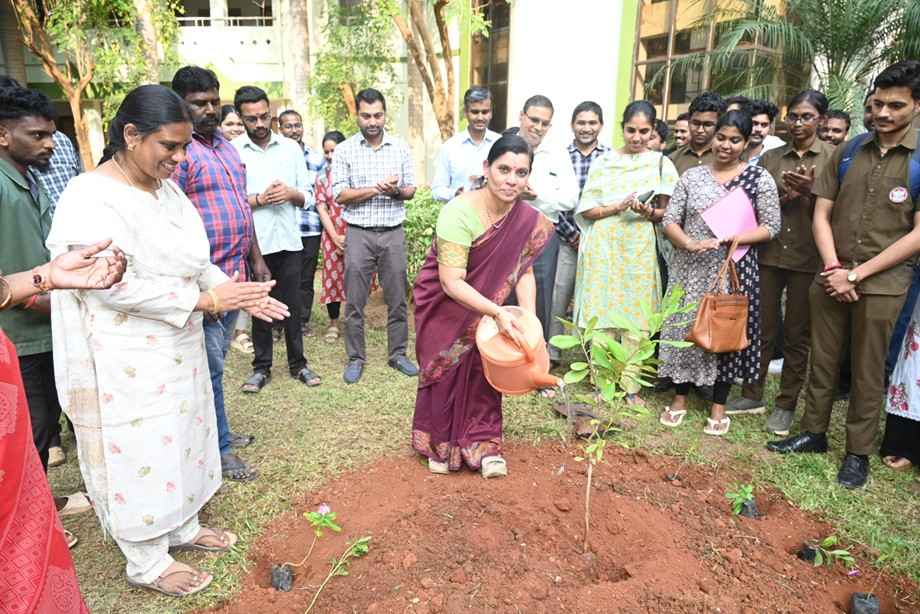
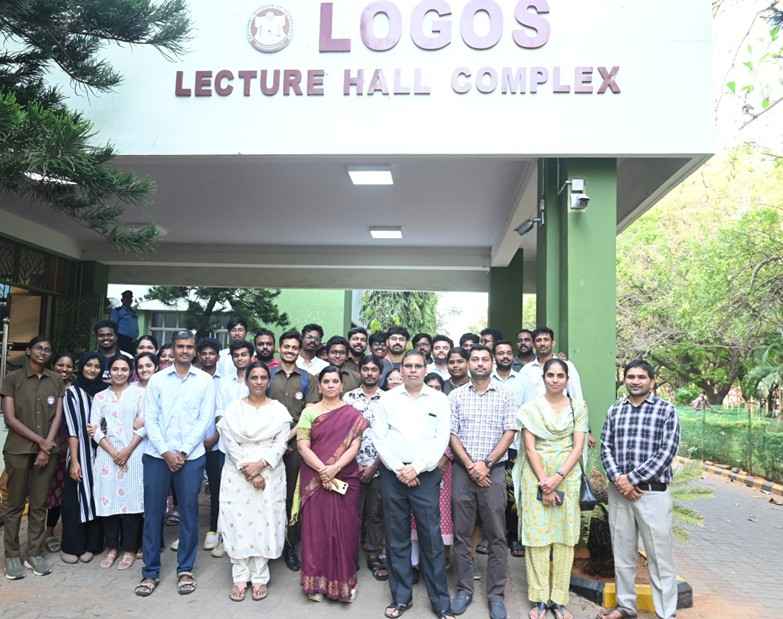
On March 03, 2026, In alignment with World Wildlife Day and this year’s theme, “Medicinal and Aromatic Plants,” the Centre for Sustainability launched its first on-ground initiative, the Pollination Corridor at the LOGOS Lawn area.
Carefully selected plant species, chosen for their attractiveness to pollinators and their medicinal value, were planted to create a supportive space for bees, butterflies, beetles, and other vital pollinators, turning a stretch of turf into a microcosm of biodiversity.
The initiative was graced by the Director of NIT Tiruchirappalli, whose support made this effort possible. Faculty members and students actively participated in the planting, reflecting a shared commitment to ecological responsibility.
Wildlife conservation extends beyond iconic species like lions and tigers. It also includes the smaller, often overlooked organisms that sustain ecosystems. Nearly one out of every three bites of food we consume exists because a pollinator did its job. Protecting pollinators directly strengthens biodiversity, food security, and ecological balance.
Through the Pollination Corridor, the Centre for Sustainability aims to build awareness while establishing long-term biodiversity-supporting spaces on campus. More such spots are envisioned in the future.